Flying south to escape cold northern winters
is a luxury for the birds, right? Not always. Hey guys, Amy here with DNews, and as you
suffer through the dregs of a ridiculously cold winter youre not alone. Some species
of birds are right there with you, but without the benefit of indoor heating and wool sweaters.
So how exactly do small animals survive harsh winters? Whether or not a given bird species flies
south for the winter depends a lot on what its diet is. If a bird exists largely on flying
insects and nectar it will likely migrate south during the cold seasons since these
food sources arent exactly plentiful in cold weather.
But if a bird lives off seeds
or insects that live under tree bark, it can usually find enough food to spend the winters
in the north, even if the temperatures drop dramatically. But having food doesnt equal warmth. Small
animals have a large surface area compared to their body size. They also cant store
as much fat so they have less insulation.
All this means they are more prone to losing
heat once the cold sets in, and surviving a cold winter is all about preventing heat
loss. Biologists at the Norwegian University of
Science and Technology did some research on the survival skills of these non-migrating
birds and found some interesting things. For instance, some species survive by using the
snow to their advantage. Like the small hazel grouse or hazel hen common in Northern Europe
as well as small rodents like voles and field mice.
These small animals burrow into the
snow, digging out little tunnels to sleep in at night or rest in during the day. The
snows insulting properties mean these animals can focus on finding food and not on surviving
cold nights. For some species, strength comes in numbers.
One of Norways smallest birds, the Eurasian wren, spends cold nights huddled together
under the snow. They can congregate into groups of as many as 60 birds, huddling in layers
to share and conserve vital body heat.
But its not the case that all species make
their own nests to fight off the cold. Some species of tits just take over existing nests,
often fighting over the best sleeping spots at twilight. And some birds have a completely different
way of dealing with the cold: they can actually slow their metabolism and lower their core
temperature to reduce body heat loss. Like willow tits.
These tiny birds can reduce their
body temperature from about 105 to 87 degrees Fahrenheit. They have a finely tuned internal
thermostat that tells the bird to start shivering when its core temperature reaches about 90
degrees. Just the act of shivering produces enough heat to allow the bird to stabilize
its core temperature. Arent you glad you dont have to tough
it out outside all winter? But if you ever have spent a recreation night out in the cold,
how did you stay warm? Let us know in the comments below or you can
let me know directly on Twitter as @astVintageSpace.
And dont forget to subscribe for more DNews
every day of the week. And want even more great content? We are really
happy that our new network Seeker launched this week! One of the shows on the Seeker
Stories channel takes a look at what its like to live off the grid. Like this family
in Idaho that packed up their lives to live in the wilderness. So make sure you check that video out, its
the first link in the description, and subscribe to Seeker Stories so you never miss a video!.
This video was sponsored by 23adnMe...And
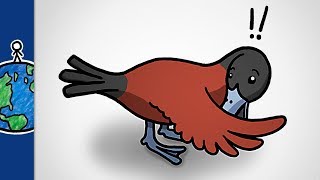
hi, Im Emily from MinuteEarth. The Argentine lake ducks spiraling penis
extends more than 16 inches. The seagull doesnt have a penis at all. For two animals with so much else in common,
this is a pretty big spectrum in fact, birds exhibit the biggest range in relative
penis size of any class of vertebrates.
And there are a couple key reasons why. For one, male birds are uniquely set up to
pass helpful sexual traits directly to their sons traits like showy, mate-attracting
tail feathers or genitalia of certain dimensions. Animals generally hand these kinds of traits
down through their sex chromosomes but the sex chromosomes male mammals pass on to
their sons is pretty tiny and has relatively few genes. Male birds, on the other hand, have way bigger
sex chromosomes with lots of genes, and therefore have higher chances of passing a mutation
like one for extra-sexy tail feathers directly to their sons, who in turn can
attract more mates and potentially pass a mutation for extra-extra sexy tail feathers
to their sons, and so on down the line.
In short, male birds comparatively huge
sex chromosomes are the reason much more exaggerated male traits have evolved in birds than in
mammals. Like the lake ducks reeeeally long penis. Male ducks often mate with unwilling females
by force, and it happens that the males with the longest and twistiest genitals are the
most successful, which means the longest-and-twistiest-genital genes keep getting passed down from father
to son. On the other hand, in bird species where less
well-endowed males do better - maybe because females prefer them, or because big genitals
make flight tough - males can end up with small nubs, or even no penises at all.
One other reason the bird penis spectrum is
so big is that its really easy to make a bird penis shrink. A single mutation on the birds large sex
chromosome triggers production of a protein that basically erases the developing embyro's
penis. All it then takes to make the entire species
penis-less is for this mutation to get passed down the line from male to male. But given how the chromosomal arrangement
of birds allows more male traits to change more easily, even penis-less-ness isnt
permanent: the chachalaca, a wild cousin of the chicken, went from having a penis, to
not having one, to growing one again.
Speaking of chromosomes, this video was sponsored
by 23andMe, which has a special interest in the chromosomes of our own species. 23AndMe not only lets you learn about your
own DNA story - including ancestry, personal traits and health insights - it can also help
you learn which one of your parents you have to thank for some of your genetic traits. To get testing kits for you and your family
- and to support our channel - go to 23andMe.Com/MinuteEarth..
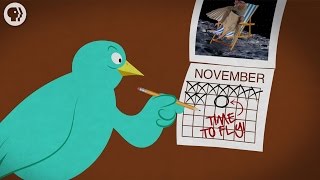
[MUSIC] In 1971, astronaut Alan Shepard hit the first
birdie on the moon. Not literally, of course. Theres no actual birds up there. But thats not what Charles Morton thought.
In 1703 he published a pamphlet claiming that the reason some birds disappeared during winter
was because they were vacationing on the moon.
Really puts the loon in lunar [MUSIC] Throughout history, people were at a loss
as to why some birds appeared out of nowhere in the spring only to disappear again during
winter, and when it came to explaining why, their common sense flew south. Aristotle figured that certain birds didnt
leave at all, they just changed from one type to another. And a medieval scholar said geese
began life as barnacles, while another claimed they blossomed from trees every spring. The poet Homer accepted the fact that cranes
embarked on great journeys, but instead of seeking warmer weather it was to battle tribes
of mythical goat-riding dwarves at the ends of the Earth.
I am NOT making this up. Fittingly, the answer to this avian enigma
was delivered by a stork. Storks were, and still are, a common sight in Europe during
summer, except most dont have spears hanging out of their necks. After this unlucky bird
was shot in Germany, for a second time mind you, the origin of the spear was traced to
sub-Saharan Africa, proving once and for all that birds spent their winters in warmer climates.
And not the moon.
Birds dont use calendars, as far as we
know, so how do they know when to take off? By tallying observations about their environment
like changes in daylight, average temperatures, and the amount of food that there is to eat,
a biological switch is triggered that tells the bird its time to pack its feathery
bags. These days, scientists use technology ranging
from leg bands to GPS to map their incredible journeys. The arctic tern takes the longest trip of
any bird, covering as much as 50,000 miles in a single year between its Arctic and Antarctic
nesting grounds. Bar-headed geese have to cross over the Himalayas
on their annual journey, the highest migration of any bird.
To survive at those extreme altitudes,
theyve evolved specialized hemoglobin, and like other birds, they have a special
one-way respiratory system that keeps fresh air running through their lungs all the time. The great snipe is a migration speedster,
covering more than 4,000 miles at speeds up to 60 mph, while the bar-tailed godwit completes
its 7,000 mile, eight-day journey across the Pacific without stopping once, powering its
trek by packing on more than half its body mass in fat. One of the worlds most amazing bird migrations
is undertaken by one of the smallest: the ruby-throated hummingbird. Before these petite
pilots embark across the Gulf of Mexico, they too add more than half their penny-sized body
weight in fat too, and during their 600 mile trip, they burn off a quarter of their body
mass in just 20 hours! Its hard to keep weight on when you have to flap your wings
50 times a second.
Flying V! The flying V might be hockeys greatest
formation, but its also a trick to fly more efficiently. When a bird flaps its wings,
it creates a rotating vortex off the wingtip. If the bird behind is in the right place,
it can get a free boost from that updraft. Whats crazy is that birds can somehow sense
where that vortex is, and they actively flap their wings to stay in the sweet spot.
Birds are able to navigate the globe with
amazing accuracy, some returning to the same nesting spot year after year. Pigeons taken
far from home, sealed in isolation chambers cut off from light, outside air and magnetic
fields, were still able to find their way back. Its easy to see how birds might draw
a map, but what about a compass? Some birds have been found to use the sun, and others
the stars. But for many birds, they are the compass.
Tiny iron-rich crystals were discovered in
the eyes and beaks of many birds, and scientists now suspect that these allow birds to sense,
or maybe even see Earths magnetic field. We may have had some bird-brained ideas about
where our where birds disappear to, but thanks to science we know the truth is as good as
any myth. Maybe better. Stay curious..
[ Intro ] The 2017 hurricane season sure packed a wallop. Three major storms -- Harvey, Irma, and Maria
-- decimated the Caribbean and the southern US. While the focus has rightfully been on the
impacts to those living in the storms path, you might wonder how other creatures fared. Some species seem to be able to sense the
impending danger and flee.
Landlubbers like us that dont get out of
the way just have to hunker down as best they can. But birds and other airborne animals sometimes
do what sounds like the worst idea ever: they ride things out in the eye of the storm. Meteorologists have witnessed this thanks
to something called dual-polarization or dual-pol radar, which uses pulses of electromagnetic
waves to detect the size and shape of objects in two dimensions. Based on the pattern of the waves, they can
see the proportions of whatevers in the storm including birds and insects, which
stand out because theyre much less spherical than, say, a raindrop.
And when meteorologists map out what theyve
detected with radar, they often find a bunch of animals inside the eyes of big storms. Heading into a hurricane for safety sounds
pretty bold and ill-advised. But within the eye, the weather is calm. Its a spot of extremely low pressure, which
helps drive the overall storm, but isnt very windy itself.
It doesnt even have clouds, since the air
in the eye is about 5 degrees warmer than the rest of the storm, and it can hold more
water before condensing. So, all things considered, its relatively
safe for birds and bugs. Not that its an intentional strategy on
their partthey probably dont plan this out. Either the eye forms around them, or they
just happen to find the eye and then end up kinda stuck there.
This especially happens with seabirds. The real danger is running into the eyewall,
the vertical wall of clouds that surrounds the eye, which is the most intense part of
the storm. It has the heaviest rainfall and strongest
winds. Sticking to the eye can work, but it can be
tough to make it through if a hurricane is especially long-lived.
Trapped birds dont have much choice but
to keep flappingthey cant really stop to sleep or eatso this kind of travel can
wear them out. Sometimes they die. And since, you know, a hurricane swept through
their habitat, there may not be much left to come home to. Or, if theyre migratory birds, they can
be blown hundreds of kilometers off course.
In 2005, Hurricane Wilma deposited a flock
of North American chimney swifts in Western Europe. More than 700 of the birds died, and ornithologists
found that the following year, the total population had been cut in half. It can be hard to collect good data on what
happens to birds during and after a storm, as each hurricane is different. But birdwatchers can help with that.
Safety first, obviously, but if you ever see
hurricane birdsspecies well outside of their usual homes during or after a stormyou
can report your observations so scientists can learn more about how animals deal with
tropical cyclones. Its one of the more unusual types of citizen
science. Thanks for asking, and thanks as always to
all our patrons on Patreon. Your support helps us weather any storm.
If you want to help us make more episodes
like this, you can go to patreon.Com/scishow. [ Outro ].
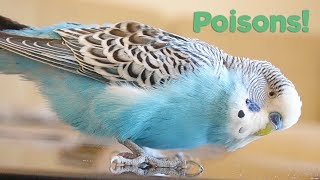
Foods Poisonous to Birds There are several foods which should never
be fed to your budgie because they are toxic to birds. This includes avocado, fruit seeds and pits,
uncooked beans, chocolate, mushrooms, tomato leaves and stems, and rhubarb. Many fruit seeds and pits are toxic to birds,
so you should always remove fruit seeds or cut away parts of fruit that touched the pit
before giving any fruit to your budgie (strawberry seeds are okay). You should also avoid giving your budgie any
dairy (milk based) products, as birds cannot digest the lactose in dairy.
Only limited amounts of spinach, chard, or
beet greens should be fed to your bird no more than leaf per week. These greens contain oxalic acid, which bind
to calcium in the digestive system and can cause deficiencies. Dont feed your budgie onion or garlic. If youre sharing with your budgie, small
amounts of garlic or onion in your food is okay.
You shouldnt feed your budgie any more
than very limited amounts of any kind of salty food, sweets, or any foods known as junk
food. Never let your budgie consume coffee, soda,
caffeinated beverages, or alcohol..
(Birds hawking) SHUT UP! We think you guys, will be perfect for the roles of Bubbles and Hal. In the new Angry Birds movie, coming out in May. What do you think? Anthony: Can we just have a quick moment to discuss please? Of course. (Foot steps) (Ian and Anthony cheering themselves in the reception room) Ian: Yes, we will do that.
Okay, great! We'll record in two hours. That should give you enough time to prepare, right? (Awkward silence) Anthony: Yes Ian: Indeed (uh oh, what are they going to do now?) (Ian screaming in agony) Ian: No no no! Ian: How am i gonna get ready in two hours? (Pfft) Ian: If only i was good of an actor like Stork Man. Anthony: Stork Man? Ian: Yeah, the superhero with the ability to tell when a woman's in labor. Anthony: (giggles) That sounds terrible! Ian: Hey! He's a god damn American classic! Anthony: Well, i'm personally not worried about it cuz i'm a really really good actor.
Anthony: I mean you saw how good i was in Smosh the Movie, right? Ian: Yeaaaaaaaah (sarcasm, sarcasm) Anthony: Look, i want you to be as good of an actor as me okay? Anthony: So, let me hook you up with my acting coach. Anthony: He's the best method actor i've ever known. Ian: Okay. Anthony: Cool, let me go get him.
Ian: Sweet. (More walking) Anthony (changed): Hello Ian, i am Gabrielle your acting coach. Ian: What the f-- Gabrielle: QUIET! Ian: Okay, look Anthon-- Gabrielle: HEY! Gabrielle: From now on, you are to speak only when i tell you to. Gabrielle: Okay? You are playing the role of an angry...
(Taking time to think) Bird! Is that correct? Ian: Yes. Gabrielle: Ian! I swear to Guadalupe, if you speak one more time without being called upon I will strangle you with my Himalayan hemp bracelet! Anyway, if you are to play a bird you must become a bird. You must, *tongue clicking* eat like a bird, you must. Sleep like a bird, you must mate like a bird, ehh.
By the end of my lesson you be the greatest bird to ever live. (Raising hand) Si. Um. Would you mind repeating all of that again, because you said bird.
Then I started thinking about stork man. Then I just started thinking about how awesome he was. Especially in his third movie! When he senses that the princess of Canada was having twins. Ian: And then, she thought she have only one baby.
Ian: And then, he got the second crib, for the second baby. (Ian sighs) Ian: Man, that's a classic, i mean if you haven't seen it you really should probably-- Ian: AGGHH! Gabrielle: Your training begins now. Ian: ***, what you have in that bracelet? Perfecto...You must look like a bird how Magic Fuck...Come on ...Would you look... Perfecto...Now you are indistinguishable from north american black crow Vamodos huaa...
No..No..Noo....You must eat like birds eat Now ..Open up and chew......This Chew it up.. Aaa...Aaa...Na Do not swallow..Feel... The baby bird What....I am the baby bird baby bird in my mouth...What? ...No!!... You want to be real actor or not...This is the only way......Okay I can't Why not Because i am...Starved....
Just, beg your pardon..I will not survive screaming okay that was i a lot worse than i expected let us never speak of that again anyway to be a true bird , you must be able to fly if your birds dont fly , dong dong , they are all dead what about Osages and turkeys and penguin? Fly! Damn you :D. You did it Ian . Your transformation to a bird is complete. I did it !? Im a bird !? Yes.
Now ah could you put me back in your pocket? Why? Im busy Busy doing what? You're just a picture in my pocket. Yea and i have my own life. You'd think im sitting here waitting for you? Blahhhphew NOoooo. Ive got my own stuff to do Ian you ok? Yes im ready Okay because you shattered your legs and you have been mubbling yourself for like twenty minutes .
Ah balls... Oh ah Anthony i may have broken my legs , but you broke character haha:D. Guess you arent a good actor after all bitch god damn it hahahahhahahahaha you guys ready? Yes, indeed Your ready to roll? Well i nearly died like 5 minutes ago, so maybe i could (take a rest ffs) Okay great, and what we need from you now is a nice big scream , but also a sucking in as you scream FUCKKKKKKKKKKKKKKKKKKKKKKKKKKKKKK. Okay..>< Great.
Thanks guys . We are good Ok cool . So its my turn? Oh ...(Shit) yea. We think you might not have what it.....Takes yea we saw Smosh the movie It was the first movie.
You'll get better. If only he could act like that Nevermind This video is brought to you by the Angry Birds movie The 3D animated comedy where we'll find out why those birds are so angry For more footage of our characters from the movie - Bubbl es and Hal, click on the box on the left Look how angry I am Your smiling... Rrr... Your a smiling bird.
You're angry You can't stop smiling The Angry Birds movie comes out in theatres May 20 To see behind the scenes footage and bloopers click on the box on the right Right now I'm going to spray some white goo on Ian's face I feel like this video belongs on, er... Not YouTube And as always, if you are using this on a touch-screen device all the links are in the description box below.
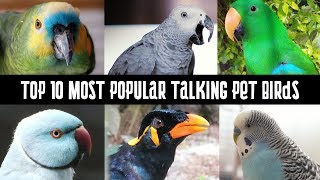
We want a voice at the end of a long work
day welcoming us home with,"Hello, darling, how was your
day?" For people who wish to have that type of companion
in the form of an animal, a talking bird fits the bill very nicely. Also known as the Budgie, or Parakeet, this
common little bird is capable of learning a large number of
phrases and songs. Their voice tends to be low and not always
defined, and males tend to train better than females. Also called the Quaker Parakeet, this colorful
little bird is actually a small parrot.
They are known for
being very clever and social, developing large vocabularies of phrases and words. If you want a companion for life, this is
a good fit. The Blue-Fronted can live for up to 100 years,
or more. They have an excellent speaking voice, with
a strong ability to mimic human voices.
Very clever little birds, Indian Ringnecks
can develop a large vocabulary, and speak very clearly in
sentences. Not so much for mimicking the pitch of a human
voice, they more often speak in their own bird voices, though they can carry the mood
of the phrase. Known for being especially gender dimorphous
-- the male is green and the female bright red -- this
parrot is able to verbalize distinctly and mimic the tone and mood of language. While its capabilities are
strong, these abilities depend entirely on training from an early age.
Considered to be nearly as good as the Yellow-Naped,
with a smaller tendency to nip. Closely following the Yellow-Naped, with an
excellent ability to mimic human voices and love
for song. This pretty little black bird has an amazing
capacity for mimicking human voices, with a varied range of
pitch and tonality. Of the Amazon parrots, the Yellow-Naped is
the best known for its speaking abilities.
They love to sing
and are highly intelligent, with an uncanny ability to mimic human speech and cadence. The African Grey is widely considered to be
the smartest of the talking birds, and one of the most
intelligent in the animal kingdom overall. Some experts say they approach the ability
to speak and relate concepts on the level of a human toddler. Even at the highest level of ability, there
are still some birds that will not talk, no matter what you do or
how early you train.
Just as there are quiet, shy people, there
are quiet and shy birds. And, just as with
people, some birds are smarter than others..
You're watching FreeSchool! Today we're learning about the top 5 fastest
birds in the world. This is a countdown of the fastest birds in
the world, but in fact, these five birds represent the fastest animals of any kind in the entire
world! Number 5: the Eurasian Hobby. A small falcon that resides in Africa, Europe,
and Central and East Asia, the Eurasian Hobby is a bird of prey. It flies powerfully, and
fast.
Its speed allows it to catch and even sometimes eat its dinner midair - dragonflies,
small bats, swallows, and even swifts. The Eurasian Hobby may reach flight speeds
of up to 100 miles or 161 kilometers per hour. Number 4: the Swift. Swifts look a bit like swallows, but they
are actually more closely related to hummingbirds.
Swifts spend almost their whole lives in flight;
they spend so much time in the air that hundreds of years ago, people believed that they had
no feet, since they were never seen to land! Of course they do have feet, but their legs
are small and weak and they never land on the ground if they can help it. Swifts have been reported flying at speeds
of 106 miles or 171 kilometers per hour. Number 3: the Gyrfalcon. The Gyrfalcon is the largest of the falcon
species.
Living mainly in the Arctic and the bordering areas of North America, Greenland,
Europe, and Asia, it feeds on birds and mammals like lemmings, ground squirrels, and hares. Gyrfalcons are valued by falconers, who use
them in hunting. Although it rarely hunts by diving, the Gyrfalcon achieves high speeds
in its dives, as much as 130 miles, or 209 kilometers per hour. Number 2: the Golden Eagle.
One of the largest and most widespread eagles
in the Northern Hemisphere, the golden eagle is considered one of the best fliers in the
entire eagle family. Like the gyrfalcon, the golden eagle is valued by falconers, but it
can take much larger prey. It is such a large, skilled hunter that it can even kill wolves. In a full stoop, a golden eagle can reach
speeds of 200 miles or 320 kilometers per hour, making it the second-fastest living
thing on Earth.
Number 1: the Peregrine falcon. The fastest animal on the planet, the peregrine
falcon is found on every continent except Antarctica. It is about the same size as a
crow, and it hunts birds almost exclusively, although it will sometimes take small mammals
or reptiles. Peregrines have been used by humans in falconry to hunt game for at least
3,000 years.
In a full stoop, when it flies to a great
height and then pulls its wings close and dives, the peregrine falcon may reach speeds
of 242 miles or 389 kilometers per hour - faster than any other living thing on Earth. I hope you enjoyed learning about the fastest
birds on Earth - and stay tuned for more creature countdowns from FreeSchool!.
About five million years ago, a new predator
arrived in America. It had made its way from the south, crossing
the still-forming Isthmus of Panama and onto the coastal plains of Texas and then Florida. The largest of these creatures stood 3 meters
tall and weighed 150 kilograms. And in its old home, it was the uncontested
apex predator, armed with all kinds of awesome adaptations that it used to kill its prey
-- sometimes in pretty weird ways.
And this invader wasnt alone. It was part of one of the biggest mass migrations
in Earths history. It seemed more than ready to hold its own
against North American predators like wild dogs and sabre-toothed cats. But one thing set this killer apart -- it
wasnt some toothy mammal or ravenous reptile.
It was a giant, flightless, carnivorous bird. And it came to be known by one of the coolest
and most richly earned nicknames in all of paleontology: the terror bird. The story of the terror bird invasion actually
begins nearly 145 million years ago, at the start of the Cretaceous Period. This is when the last remnants of the supercontinent
Gondwana -- which would later become Africa and South America -- went their separate ways.
South America became an island continent,
drifting through the ancient ocean while its inhabitants lived on in isolation. There were fantastic, gigantic versions of
todays armadillos and sloths. And there were the terror birds, which rose
to become the continents top predator after the extinction of the dinosaurs. Over the course of about 60 million years,
this group of carnivorous birds -- now known as Phorusrhacidae -- diversified into as many
as 25 different species, ranging in height from 1 to 3 meters, with a variety of body
types and lifestyles to match.
Some species may have been scavengers, but
others were definitely predators. And they were built to kill They had massive beaks tipped with sharp hooks
-- kind of like what you find on modern raptors -- adapted for delivering powerful stabs and
ripping flesh from bone. Their neck vertebrae also suggest that they
could swivel their heads quickly, which wouldve helped them track and strike at their prey. And some had strong, stout leg bones that
seemed better suited for kicking than for running.
Researchers think they could use their powerful
legs to crack open the bones of its victims -- possibly to get to the marrow. Plus, they had large, curved, compressed claws
were perfectly suited for subduing and stabbing prey. And unlike most other birds, many of the bones
in terror birds skulls were totally fused together. This allowed them to use their own heads as
weapons, by basically pecking stuff to death.
Other clues about how terror birds hunted
come from birds we know today. For example, many living predatory birds,
like the secretary bird, kill with vicious kicks. And terror birds closest living relatives
-- a pair of species that still live in South America called seriemas -- actually subdue
their prey by picking it up and smashing it against the ground over and over again. Which is not how I want to go Since these are the closest living analogues
to terror birds, paleontologists think the extinct giants might have used the same techniques.
And so, yeah: Hence the name! When fossils of these birds were first discovered
in Argentina in the late 1880s, they were given the rather obscure name Phorusrhacos,
which is thought by some to mean bearer of scars. But nearly a hundred years later, in 1978,
after having studied these things for decades, paleontologist Larry Marshall dubbed them
terror birds, which proved to be catchier and easier to say. Now, on its home turf, terror birds had plenty
of prey to choose from, because most mammals in South America were herbivores. But eventually, thanks to continental drift,
South America got a new neighbor...
North America. This process took a long time, of course,
but by at least 5 million years ago, a chain of islands had formed that linked the two
continents for the first time. And land masses werent the only things
on the move. The meeting of the Americas marked the beginning
of what scientists think may have been one of the greatest exchanges of animal life ever
between two continents.
Today its known as the Great American Biotic
Interchange, when animals from both continents were suddenly free to migrate, bringing into
contact all sorts of species that had never met before. And a lot of what we know about this phenomenon,
we know from the fossils of mammals. For example, we know that, five million years
ago, North America was home to deer, horses, cats, and bears but there were also camels,
elephants, and tapirs. And all of these groups moved south.
Meanwhile, in South America, there were marsupials,
giant ground sloths, and huge cousins of the armadillo called glyptodons that moved north. And in general, the mammals from North America
were more successful in the south than the animals that made the reverse trip. Thats because, other than terror birds,
there werent a lot of large predators in South America. So the North American animals -- from mice
to canines -- did very well in their new home, and they diversified like crazy.
In fact, half of the mammal genera living
in South America today are descended from North American immigrants. But North America had way more big predators
than the southern migrants were used to. So, most animals that moved up from South
America didnt last very long. And this included the terror birds.
We know from fossils that at least one type
of terror bird followed its prey north -- Titanis walleri, one of the largest terror bird species The earliest evidence of Titanis in the US
has been found in Texas, in strata dating back 5 million years, to the late Paleogene
Period. Which is weird, because scientists think that
the land bridge between North and South America probably wasn't complete until about 3 million
years ago. So, even though they couldn't fly, these giant
birds mustve somehow managed to float, or swim, or walk through the shallow waters
that connected the islands between the two continents. From there, Titanis roamed the open, coastal
plains, eating anything it could chase down, kill, and swallow whole.
But in its new home, for the first time, Titanis
had to deal with competition from other big predators -- like sabre-toothed cats and the
ancestors of modern wolves. Then, around the beginning of the Pleistocene
Period, the outlook for the terror birds got even worse, when the climate began to change. Temperatures grew colder, and glaciers began
their march south. Soon, beset by advancing winters and bigger
predators, the last North American Titanis met its end around 2 million years ago, as
the most recent Ice Age started to set in.
So, the invasion of the terror birds turned
out to be brief -- less than three million years. And because their time here was so short,
they didnt leave much evidence behind. The entire fossil record of Titanis in North
America consists of just a few dozen bones and bone fragments -- mainly of the neck,
legs, feet and toes -- found at only four sites in Florida and one in Texas. But their migration was just one small wave
of the Great American Biotic Interchange, which turned out to be a crucial chapter in
the history of the Americas that changed life on both continents forever.
In the end, the time when terror birds came
to North America is an important reminder of how big changes can create lots of awesome new
opportunities for some of us while also creating tremendous pressure to either adapt. Or disappear. Thanks for joining me this terror-ific episode
today. Now, what do you want to know about the story
of life on Earth? Let us know in the comments.
And dont forget to go to youtube.Com/eons
and subscribe! But dont stop exploring now! Do yourself a favor and check out some of
our sister channels from PBS Digital Studios..
Look! Up in the air! Its a bird! Its a plane! No, its a bird. Hey there flappy birds, Jules here for Dnews! Youve probably seen birds migrating, or
just making short trips for feeding, and youve probably noticed that birds tend to fly in
a V-shape. Theres usually one bird up at the front
leading the way, and each successive bird lines up back and to the right or left of
the bird in front of it. There are other basic shapes, such as J-formations,
and inverted versions of both, and these groups are actually types of echelon formations,
meaning that they line up linearly.
V-formations have been used extensively, not
just by birds, but by military generals. From the earliest days of war, allegedly stemming
back to when the Thebans were fighting the Spartans in 4th century BC, all the way to
today, the formation is used in sea battles and aerial warfare. Birds, planes, boats, and people all have
similar reasons for doing this. Lining up in a V gives each member a clear
line of sight ahead of them.
In some cases, it also takes less energy to
travel in this formation. See, when a bird flaps its wings, a vortex
of air directly behind it is pushed downward, called downwash. The air further back and to the sides responds
by pushing up, called upwash. Any bird situated in another birds upwash
has to expend less energy to stay aloft, since theyre already being pushed upwards, and
a V-formation situates each member back and to the side, directly in its neighbors
upwash.
In 2001, researchers at the French National
Center for Scientific Research put heart-rate monitors on pelicans flying in V-shapes, and
they found that the ones farther back had slower heart rates and did not have to flap
their wings as often to stay afloat. In fact, there was an 11-14% total energy
savings for the birds. Another study from the Proceedings of the
National Academy of Sciences also found that the flock also tries to makes sure that the
bird up front doesnt get too tired. Since it doesnt receive any benefits from
the communal upwash.
The leader bird rotates among the flock, although
scientists still arent sure if there is a hierarchy of who gets to be the leader. Of course, all this mess could be avoided
if we taught birds how to order plane tickets. One bird, the arctic tern, flies roughly 56,000
miles round-trip and is able to sleep while in flight. But how does the tern, and plenty of other
birds pull off the ability to sleep mid-air? Find out in this video.
And do you have any animal questions for us? Ask us in the comments, don't forget to subscribe,
and come back here for more DNews every day..
[Footsteps] [chime plays] [music plays] [CLARKE (narration):] The animal kingdom
is made up of major groups, recognized by key traits. Fish have fins. Some land animals
have four legs, others six, and several different groups have wings. Biologists have long sought
to discover how groups of animals, and their key features, evolved.
And one of the greatest mysteries
has been the origin of birds. Our world has more than 10,000 species
of birds with feathered wings. Where did birds come from, and how did wings
and feathers first arise? To find out, scientists
have scoured the fossil record... And they have uncovered
surprising twists in the evolution of birds
from their flightless ancestors.
[CLARKE (to camera):] In the past 30
years we've found a treasure trove of new fossil discoveries. They've made the origin of birds one of the best-documented transitions
in the history of life. [Music plays, birds call] [walking through grass] [CLARKE (narration):] I am fascinated
by birds. And as a paleontologist,
I've spent my career chasing their evolutionary origins
in the fossil record.
[CLARKE (to camera):] Above all else,
what makes birds unique are their wings. They're made of feathers
that are stiff, yet flexible. And bird wings are even more remarkable
than airplane wings, because they can flap, which allows them to maneuver rapidly
and ultimately defy gravity. [CLARKE (narration):] The quest
to understand the origin of birds and other animals began in earnest
over 150 years ago.
When Charles Darwin
wrote "The Origin of Species," he argued that every major group of animals
evolved from a pre-existing one. He predicted that we would find fossils with features
that linked one major group to another. In fact,
he staked his theory of evolution on the existence of these intermediates. But no fossils were yet known
that revealed these transitions.
Then, just two years later, a marvelous creature was unearthed
from a limestone quarry in Germany. The 150-million-year-old fossil,
named Archaeopteryx, rocked the scientific world. [CLARKE (to camera):] This Archaeopteryx
fossil is truly remarkable. It preserves in fine detail feathers
along the wing-- just like those we see in living birds-- and feathers along the tail.
But the bony features
tell a very different story. We look closely,
we'll see see teeth in the jaw, tiny claws preserved in a hand, and a long bony tail,
lacking in living birds, but present in things
we think of as traditionally reptilian. For Darwin, it must have been
an incredible vindication. He predicted that we would find forms
like these.
[CLARKE (narration):] Archaeopteryx
pointed to a close link between birds and reptiles. But which group of reptiles? Flying pterosaurs had been discovered
with light hollow bones. But their wings are constructed
very differently than the wings of Archaeopteryx and birds. [CLARKE (to camera):]
Here is a tiny pterosaur, and if we take a closer look at its arm,
we'll make out 3 small digits, and a fourth,
which is really, really long.
[CLARKE (narration):] The membrane
of a pterosaur's wing attaches to this fourth digit
and along its body and hind limb. In contrast, the wings of Archaeopteryx
and birds have only three digits. And their feathers attach individually
along their arm and hand bones. These differences tell us
that pterosaurs and Archaeopteryx
evolved flight independently.
Archaeopteryx must have descended
from different reptiles. Thomas Huxley, Darwin's champion, was astonished
by Archaeopteryx's resemblance to a turkey-sized dinosaur
called Compsognathus. Compsognathus' hand
also had three digits. It had hollow bones
and stood on two legs.
Similarities like these led Huxley
to propose that birds are related to the branch
of reptiles called dinosaurs. But other scientists
questioned this conclusion. Birds appeared so different
from dinosaurs, and some characteristic features
of birds--like wishbones-- seemed to be missing from dinosaurs,
but were present in other reptiles. [HORNER:]
We found an articulated foot...
[CLARKE (narration):]
When paleontologist Jack Horner began his career, few thought that birds
could have come from dinosaurs. [CLARKE:] So Jack, why was it so hard to believe that birds
and dinosaurs were related? [HORNER:] Most of the dinosaurs that the public
knew about were really big. Like, you know,
this is a shoulder blade of a Sauropod. And Sauropods were gigantic.
[CLARKE (narration):] Scientists thought
that dinosaurs were cold-blooded and slow-moving, like other reptiles. [HORNER:] People
couldn't imagine dinosaurs being agile and hopping around. They look at these big giant things
and they lumber. There's no way to relate them to birds.
[Music plays] [CLARKE (narration):] Then,
in 1963, John Ostrom discovered a fossil in the badlands
of Montana that challenged that view. [HORNER:] What John Ostrom
first found was was this claw. Obviously goes to a foot. It was not a claw for walking on.
This dinosaur actually used that claw
for slashing. [CLARKE (narration):] Deinonychus
was small with a delicate build. It ran upright on two legs. It had a long, stiff tail for balance.
Not all dinosaurs
were big and lumbering. [HORNER:] Ostrom hypothesized
that the animal would scale its prey and start using its slashing claw and probably eating the animal
while it was alive. [CLARKE (to camera):] Ostrom's discovery
set off a revolution. What if dinosaurs weren't slow, but warm-blooded and fast-moving,
like birds? [CLARKE (narration):] When Ostrom
compared Deinonychus to Archaeopteryx, he saw that they both had
lightly-built, hollow bones.
And they shared even more features, including long arms
and similar hip and shoulder bones. Ostrom concluded that birds
did descend from dinosaurs as Huxley had argued. Not from lumbering sauropods, but from another lineage called
therapods that walked on two legs, and included T. Rex, and agile predators like Deinonychus.
While some scientists
did not accept this idea at first, supporting evidence
continued to accumulate, including the discovery
that theropods had a feature of birds not previously found: a wishbone. [HORNER:] People
had sort of looked for them, and really didn't know
what it was going to look like. And then all of a sudden
we started finding them. Here is the wishbone
of Tyrannosaurus rex.
[CLARKE (narration):] When scientists
analyzed the skeletons of theropods and birds, they found too many similarities
for any explanation but common ancestry. Jack's collection
at the Museum of the Rockies offers an opportunity
to compare their features. [HORNER:] Here is an Albertosaur tibia, and as you can see, it's hollow,
just like a modern bird. [CLARKE (to camera):]
This is a T.
Rex foot. What we see here
are three forward-facing digits that bear the weight of the animal, and in the back, a much smaller digit. If we take a look at this chicken foot,
we'll see the same pattern. We've got three forward-facing digits
and on the back, a much smaller one.
All dinosaurs share an S-shaped neck. You can see it here and in living birds
like this chicken. [CLARKE (narration):] New kinds
of evidence also emerged. In 1978, Jack made the surprising discovery
of a vast dinosaur nesting ground.
[HORNER:] We discovered
that dinosaurs nested in colonies, cared for their young,
brought food to their babies. We also had evidence that they
came back, probably over and over again, for many years to the same site. [CLARKE (narration):] In a radical
shift, by the 1980s, a consensus was finally building that birds
descended from theropod dinosaurs-- from active predators
that walked on two legs. But scientists were about to discover
the most startling evidence of all.
In the mid-1990s,
farmers in northeast China began unearthing dinosaurs
120 million years old. And these fossils
preserved astonishing detail. [CLARKE (to camera):] In 1996,
I was a first year graduate student at my first scientific meeting. They were passing around pictures
of this dinosaur.
[CLARKE (narration):] This chicken-sized
theropod, named Sinosauropteryx, did not have scales. It was covered
in some primitive kind of feather. [CLARKE (to camera):] To see
those photos of a tiny, fuzzy dinosaur... It just blew everybody's minds.
[CLARKE (narration):] This dinosaur
was just the first of many fuzzy and feathered theropods to be uncovered. Another, called Caudipteryx, had feathers identical to living birds
on its tail and hands, but lacked wings. With the discovery
of these spectacular feathered finds, there was no longer any doubt
that birds were related to theropods. But while feathered dinosaurs
settled one question, they raised a new one: These animals could not fly.
Why were they feathered? [CLARKE (to camera):] It was long
assumed that feathers evolved for flight. But what we found
was that clearly feathers predate flight and arose for some other purpose. [CLARKE (narration):] So why did
the first feathers evolve? That's hard to tell
from just the fossil evidence. But living birds may offer answers.
Feathers provide insulation. So the first feathers
might have helped keep dinosaurs warm. Birds also use colorful feathers
in communication, in courtship and in territorial displays. Dinosaurs may have used feathers
in the same way.
Feathers likely played different roles
at first, and then were modified for flight. The modification
of an existing structure for a new use is called co-option. It is a common way that new structures
and abilities evolve. Bird wings are modified forelimbs
once used for grabbing and feeding.
Just as the walking limbs
of land animals are modified fins. And the turtle's shell
is a modified ribcage. So the co-option of feathers for flight enabled Archaeopteryx
and its relatives to take to the air. And other features also evolved.
[CLARKE (to camera):] When we look
at evolution after the origin of flight, we see a lot of characteristics
of living birds gradually accruing. [CLARKE (narration):]
But not in a simple linear sequence. Like other dinosaurs, this crow-sized
bird had large claws on its hand, but like living birds, it had a toothless beak
and a short bony tail. While this species had teeth, its hand bones were partially fused
to form a stronger wing.
And this bird had a large breastbone
for well-developed flight muscles, like living birds. But it also had teeth. [CLARKE (to camera):]
We don't find forms that are somehow lock-step intermediate
between Archaeopteryx and living birds... We find a diversity of forms, forms
we could not have predicted.
[CLARKE (narration):] For tens
of millions of years, an assortment
of scaly dinosaurs, feathered dinosaurs, and many types of birds lived together. Then, 66 million years ago, almost all of these creatures died out. [Rumble] A six-mile wide asteroid
slammed into the planet... [Explosion] ...And triggered a global mass
extinction.
[Music plays] Only a small group
of toothless birds survived... And they evolved into the 10,000 species
of birds we see today. [Bird calls, music] We once might have said
the dinosaurs all died out, but now we know that living birds are a lineage of theropod dinosaurs
in the same way that we are a lineage of primates. [HORNER:] Have dinosaurs gone extinct? Absolutely not.
We separate dinosaurs
into two groups now: the non-avian dinosaurs
fortunately have gone extinct, and the avian dinosaurs are still alive,
making it a beautiful world. [Music plays] [CLARKE (to camera):] Dinosaurs
are still with us. We just call them birds. [Music plays] [bird calls] [music plays].
Listen! The world is full of sounds. [Laughing] [Airplane noise] [Symphony tuning up] M any sounds are familiar to us [phone rings] and when they're familiar [phone rings] you know what to do when you hear them. [Phone rings] Hello? [Foreign language] Nature is also full of sounds. Though
these sounds may not be familiar to most people, they can be understood by other animals.
When you hear this [Thrush bird call], It's not just in noise; it has meaning that the bird is trying
to communicate.
In this case the Thrush is saying: hello, I'm here. I'm alright. Each bird can communicate several
different messages. For instance, the common Northern
Cardinal can say, This means, I'm hungry; the children are hungry; bring food.
In a Cardinal family, parents and young make this soft chipping sound to coordinate movements in vegetation
without giving their location away to predators. An adult male uses this
call to shoe fledglings away from a nest when a new brood of eggs hatches. And this male is singing to attract a mate. Of course, there are many, many different species of birds.
Each communicating with different sounds. Here for instance is a Swamp Sparrow singing for a mate. [Bird song] This trilled song is extremely
difficult to make. The healthier the male, the wider the
pitch range and the faster the trill.
So female Swamp
Sparrows can tell from the song which bird is in the best physical
condition and thus most desirable. [Bird song] Northern Mockingbirds know hundreds of
different songs. A typical male will sing one song three
to four times, switch to the next song without pause,
and so on for long periods. The more songs he can sing the older and
more established he is likely to be.
[Bird song] The song of the Veery is a haunting two-toned descending
spiral [Bird song] How does it do that? Birds can make such
complicated sounds because of the unique structure of their
instrument. [Music] We humans push air from along through vocal box call
a larynx that vibrates making a single sound. [Singing] We adjust pitch and tone both at the
larynx and by the shape of the mouth. [Singing] Birds have a similar structure, but it's
doubled.
The syrinx of a song bird has two membranes allowing it to make separate sounds at
the same time. [Bird song] Every species has its different physical
variation that helps it make it song. [Bird song] In the cloud forest of Central America, the three waddle Bell Bird makes itself
heard by swelling and contracting the muscles on its neck and back. Heaving its chest, opening its beak
incredibly wide, and releasing a "bonk" that can be heard
for more than half a mile.
[Bird song "Bonk"] [Bird song "Bonk"] [Bird song "Bonk"] The sounds that birds make also relate to their environment. A bird
who lives in open fields can have a fast complicated song like this Bobaolink. [Bird song] A bird that lives in a forest needs a sound that can project through
trees and branches; sometimes loud and piercing; [Owl hooting] sometimes deep and low. [Bird song] But where is the bird? Is it in a tree or on the ground?
Sometimes you can hear birds before you see them.
Sometimes your ears are better tools
in your eyes. Here in the rainforest branches are so thick that you can't
even see birds when they're flying. So we listen to know who's there.
There's this duet between a pair of Grey-breasted Wood
Wrens. [Birds singing] A Black-faced Solitaire whistles this serial song.
[Bird song] If you listen very carefully, you could identify more than fifteen
species here even though you couldn't see a single
one. [Birds singing] [Music] The same is true in your neighborhood. [Dog barking] [Cars, honking] [Birds singing] [Baby crying] Sometimes you have to use your ears to
know who's there. Like this Bluebird.
[Bird song] Some species don't even sound like birds. This is a cat bird. [Bird call sounds like a cat meow] You have to listen
well to hear the different types of bird sounds and just as you have learned
to understand that this, [Phone rings] means you should answer the phone. Or that this, [Sirens] means you should get out of the way, you can learn to understand the sounds
that birds make.
Like this scream of the Red-tailed Hawk which means, this is my territory keep
out! [Red-tailed Hawk call] When you understand these sounds you
know more about the world around you. It all starts with listening. [Various bird calls] [Music].
- Happy Earth Day to you. [Cheers and applause] I'm just curious, how many
of you here are from Earth? [Laughter and applause] A lot of people.
Lot of you. Welcome.
Lot of you. More than yesterday's audience.
[Laughter] I am a big fan of the Earth. The Earth and I
have a lot in common. We're made mostly of water, and every year
we both get hotter. [Laughter and applause] So...Yep.
[Cheers and applause] [cheers and applause] Earth Day happens every spring,
and today I want to talk about something else that happens when
the weather gets warmer.
Birds do it.
Bees do it. You and I do it.
Of course, I'm talking about accidentally running into
a plate glass window. [Laughter] My eye! I'm talking about mating,
of course, and one of the animals that
mates every spring is the panda. And there was a story recently-- About, I don't know,
couple of weeks ago-- Two pandas in China
who set the record for the longest panda
mating session.
Here's a photo of-- [audience laughter] I'm assuming the male.
He's smiling. [Audience laughter] The male panda, Lu Lu
and his partner Xi Mei mated for 18 minutes
and 3 seconds. So to the two pandas,
congratulations. [Audience laughter]
And to whoever is in charge of timing them,
gross.
[Audience laughter] Really? Usually, pandas only mate
for less than a minute, which is nothing
to be ashamed of, male pandas. [Audience laughter]
Don't worry about that. Enough about panda sex, though. Let's talk about some other
animals that are getting it on, and I'll give you kids
a second at home to get a notebook and a pen.
This is the spotted sandpiper
right here, and these birds are different
than most animals, because when they mate,
the female pursues the male. Now the female sandpipers,
they compete with each other, and that can lead to
intense fights between like five and six
females, all trying to win over
the one male. And when it happens in nature,
it's called polyandry, and when it happens on
television, it's called "The Bachelor." [Laughter and applause] Right?
[Cheers and applause] [cheers and applause] Let's move on.
Here's the next one. Oh, that's Channing Tatum.
[Cheers and applause] I don't know why he's in there. [Audience laughter] We all know how he mates:
beautifully. [Audience laughter]
All right. Let's look at the last one.
This is an insect, and it's called
the water boatman.
The male water boatman
has a special talent that he uses when
he wants to mate. Like the sandpiper, he sings,
but not with his mouth, and not with his hands, and not with his feet.
[Audience laughter] We've come this far,
I'm just going to say it. He has a singing penis. [Audience laughter] Here's how it works.
[Audience laughter] I don't know how it works,
but I'm sure we're all trying to imagine it
right now. [Audience laughter] The female water boatman picks
her mate based on whatever male water
boatman sings the best song. It's like they say: it's not
the size of the boatman, it's the song of the penis. [Audience laughter] What have we learned?
I don't know, but let's try to forget it
with this dance..
Would you like
some mustard with that ?
<I>[ Melanie ] No, thank you.</I> Why didn't Annie stay ?
Said something about going home
to take a call from her sister. [ Chirping ]
What's the matter
with them ? What's the matter
with all the birds ?
Where did you want this coffee ? Here on the table,
honey.
Hurry up with yours, Mitch. I'm sure Miss Daniels
wants to be on her way. <I>I think you ought to stay</i>
<i>the night, Melanie.</I> We have an extra room
upstairs and everything.
That road can be
a pretty bad one at night. If I go across to Santa Rosa,
I'll come out on the freeway
much earlier, won't I ? Yes, and the freeway
is much quicker. But she'll be hitting
all the heavy traffic
going back to San Francisco. <I>[ Chirping Grows Louder ]</i>
<i>[ Cathy ]</i>
<i>Just listen to those lovebirds.</I> <i>[ Chirping Stops ]</i>
[ Twittering ] Mitch.
[ Birds Screeching ] Cover your faces !
Cover your eyes !.
NARRATOR: All the commotion has
drawn other unwanted attention. Raptors begin to gather. Falcons and kites
watch on with keen eyes and carnivorous intent. And then it begins-- a spectacular aerial
battle of life and death, the hunter and the hunted.
Black falcons
swoop to the chase, attempting to single
out stragglers within the heaving mass. With dazzling effect, the
flock moves as a single entity, disorientating their
agile pursuers. The parakeets defensive
strategy holds for all but the weak and weary. Amidst the onslaught, the
parakeets must risk a drink.
Now, whistling
kites join the fray. Using a different strategy,
they target distracted parakeets on the water's edge. For the raptors, it's a
feast in the midst of famine. The patience of the
perentie is also rewarded.
He slinks in to capitalize
on fallen casualties. His adaptable diet
greatly increases his chances of survival. Like a passing desert
storm, the parakeets move on to the next watering hole. Peace returns to
the vast open land..
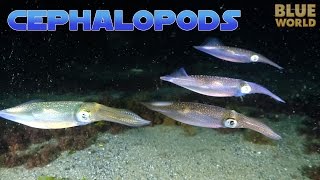
Today Jonathan investigates the amazing world
of suckers! Cephalopods! Welcome to Jonathan Bird's Blue World! An octopus is on the prowl, looking for an
unsuspecting fish to pounce upon. A cuttlefish is hunting with mesmerizing colors
to distract its prey. A school of reef squid hover in the water
column. What do these magnificent animals have in
common? They are all cephalopods.
Cephalopod means head-foot because this
animals head (the part with the eyes) is connected to its feet. The part out in front that looks like a head
is actually the body. And in fact biologists dont call those
things feet, they are called arms. So cephalopod is actually a terrible name,
but its what we have got.
Squid, octopods, cuttlefish and nautiluses
are all members of the class cephalopoda, but the really weird thing is that cephalopods
are mollusks. So they are related to animals like snails
and clams, which seems a little crazy. This is based mostly on their internal construction,
not their outward appearance. Perhaps the most obvious difference between
most cephalopods and other mollusks is the apparent lack of a shell.
The octopuses do not have shells at all. The squid have a small internal shell. Nautiluses are the only cephalopods with an
external shell. Nautiluses are found in the South Pacific
and Indian oceans, typically in deep water.
Cephalopods have well-developed nervous systems,
much more sophisticated than other mollusks. And they can be quite inquisitive. The cephalopod eye is one of the most notable
examples of convergent evolution in all of the animal world, because this eye evolved
from completely different ancestors than the eyes of mammals, yet it turned out to function
in almost the exact same way. Cephalopods, therefore, have extremely good
eyesight.
Of course the most well-known of the cephalopods
are the octopuses, named for their eight arms. They are masters of disguise, able to change
colors and skin patterns instantly. With no shell, or bones the octopus can fit
through tiny holes. They make terrible pets because they can escape
from virtually any aquarium! The octopus has a mouth with a beak used to
bite prey.
A hunting octopus often balloons over a rock
to trap a fish. Then it will use venomous saliva to kill the
prey when it bites. But the Blue-Ringed octopus of the South Pacific
has venom so powerful that the bite of this octopus is lethal to a human. The mimic octopus is said to mimic other animals
in order to hunt or evade predators.
This one has a convincing flounder imitation
going on, but its unclear how looking like a flounder is advantageous. It might just be the most efficient way to
swim and stay camouflagedconvergent camouflage if you will. A coconut octopus in Indonesia carries a shell
so that when the need arises, she can hop inside and hide. This clever behavior makes the octopus a tool
user, putting her in a category of animals considered more sophisticated and intelligent,
like monkeys and dolphins.
In the cold water of Puget Sound, a Red Octopus
is carrying a crab home for dinner, walking on the tips of its arms. That takes coordination! Nearby, a Giant Pacific Octopus breathes by drawing
water into its mantle, a cavity in its body and squirting it back out through a siphon. Not only does this move water over the gills,
but it gives the octopus the ability to squirt water. The siphon can be used for jet propulsion,
squirting an octopus away at high speed.
A reef octopus in the Caribbean not only squirts
away from me, but leaves a smoke screen behind in the form of an ink cloud. Squid and cuttlefish are similar to octopuses,
but their small internal shell makes them rigid and torpedo-like. So, while the octopus often crawls along the
bottom, the squid and cuttlefish like to jet. In the North Atlantic Ocean, Longfin Squid
cruise through the New England shallows.
But when they get annoyed by my camerathey
can produce ink too. More than 8 thousand miles away from New England,
the waters of the Philippines are warm and clear. After the sun goes down, a Flamboyant cuttlefish
comes out to hunt. While the octopus has eight arms, the cuttlefish
and squid actually have ten.
Eight of them are of the same length, while
the other two are extra long, and used to grab prey. These two additional arms are called the tentacles. Cuttlefish are often quite curious, and sometimes
come right up to my camera for a look. Their skin patterns change rapidly thanks
to skin cells called chromatophores.
At the New England Aquarium in Boston, theres
an exhibit where you can watch cuttlefish up close. And when you look carefully, you can see the
chromatophores working. At feeding time, the cuttlefish pay close
attention, and they turn on the camouflage. Then the cuttlefish strikes.
Even slowed down to one quarter speed, its
lighting fast. With a high speed camera, a flamboyant cuttlefish
blah blah In another tank, a Giant Pacific Octopus guards
it eggs. All cephalopods lay eggs to reproduce. Octopuses tend to guard their eggs.
Back in Indonesia, the Coconut octopus is
releasing thousands of baby octopus hatchlings from her clutch of eggs. She carried them around for months while they
incubated. Squid and cuttlefish do no such thing. The Atlantic Longfin squid lays its eggs like
most squidcigar shaped bundles of eggs attached to the rocks or kelp and left to
fend for themselves! The Flamboyant Cuttlefish eggs are about the
size of a pea--laid on a rock.
Soon a baby cuttlefish is born. The cephalopods are an amazing group of animals. Its hard to imagine such advanced animals
being closely related to such primitive mollusks as the conch. Cephalopods can change color and texture with
chromatophores, they have extremely sharp eyesight, multiple arms that are capable of
complex tasks, and they are clever enough to use tools! They are definitely one of my favorite inhabitants
of the Blue World..
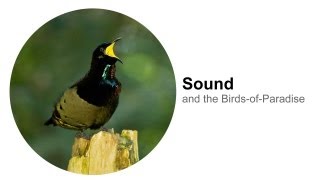
We think of Birds-of-Paradise
as these visual, visually amazing creatures, but they use sounds. Its a jungle out there. When most people think of Birds-of-Paradise or look at pictures of them
or video, theyre not thinking about them as being interesting
acoustically. But yet, when you
step back and you bother to pay attention to sounds
of Birds-of-Paradise, you realize that the kinds of
sounds that the males make in courtship, or prior to courtship,
are nearly as phenomenal as the way that they look and behave.
This usually is something
that begins as a long-distance way of attracting females to
the display site, so males have a vocalization I always think of it
as their primary vocalization or their main territorial vocalization
or their main advertisement vocalization. And that's the one that we use even
as researchers or scientists or birders to locate them. Its the most conspicuous
thing that they do, and thats by design. Thats how the females
find them as well.
Then in the process
of courtship display, there's a whole range
of other sounds that are also given but they're much less conspicuous,
much less commonly heard by us. Sometime these are
the same sounds but much more commonly they're not,
theyre a totally different set. Just like all thirty-nine species look
distinct, they do all sound distinct. Now some of the ones that are more
closely related that also look more similar, they also sound more similar.
But when you find two species
that look extremely different, like a lot of Birds-of-Paradise
do from one another, they actually sound as extremely different
as they look. Even though there's a huge amount of diversity in the
types of sounds Birds-of-Paradise make, I would say most people still think of them as being these
more crow-like caw caw caw kind of sounds. And no doubt, a lot of
species do make a plain, not-that-interesting, sounding
kind of crow-like, squawk. Parotias do that, a handful
of other things do that.
But, that being said, the ones that do have
interesting sounds, they sound nothing at all like even a bird.
In fact, many of them don't even sound like things made by a living organism.
They sound like a sound that would be from a human machine. Several good examples come
to my mind as being the classic or the best examples of those
extreme sounds of Birds-of-Paradise. The Brown Sicklebill, in particular, makes this very non-bird-like
machine gun sound.
Another one of the greatest
sounds, is the male King-of-Saxony. It gives this very
unnatural sound thats just unlike anything you've heard before,
certainly coming out of the mouth of a bird. Then there are a number of species that
are kind of reminiscent of a bird-like sound. Some of these would be the Curl-crested Manucode, which in my mind often sounds
a little bit like a UFO landing.
And then things like
the Magnificent Riflebird, which has a nice
musical quality to it. Even though it's called the
riflebird, it doesn't sound like a gun. A handful of species have very
conspicuous non-vocal sounds that they make, usually in the context of
close proximity display to a female. The best examples of that are the riflebirds.
All three species,
when they lift up their wings and theyre moving them back and forth,
and the males are usually hiding their head
behind their wing. All three of them have this
sound that sounds like some kind of rustling fabric or paper. Swoosh, swoosh, back and forth, that moves
with the wings and that's actually being produced by the wings themselves,
thats not a vocal sound. The Superb Bird-of-Paradise
is another really great example where during the main display there's this
snapping sound.
He's doing something with his wings
and it looks like with his tail where hes moving
them out quickly, creating like a
whip-like "snap". I think the thing
that I find the most intriguing or
interesting about sounds of Bird-of-Paradise
is that for literally centuries, people have been
so focused on the way that they look, and that's obviously for good reason
theyre pretty awesome, pretty extraordinary. But sound is just another
extreme thing, just like the colors and the behaviors, in that they've evolved as much diversity in
the way that they use sound for courtship and for attracting females, as any other kind of ornament
that Birds-of-Paradise have. And thats what really
makes the sound special in Birds-of-Paradise..
Alright! This is John Kohler with growingyourgreens.Com
coming at you in HD from the backyard garden, and today we've got another exciting episode
for you. This is not a fun one, and this one's having to do with pests. Pests in your garden,
and one particular kind of pest you may be having, and I know I am. Now this stumped
for a couple days and I was like, 'what the heck is going on?' You know, and what happened
was this.
I simply came outside and these are my beautiful purple perennial tree collards
that under extreme conditions like the nice hot heat they do flower and go to bulbs and
seed, but that's alright. You can cut these guys off and they'll continue to grow and
I have let these gone to full term and flower, seed, and then produce the seeds and then
cut them back and then the pant continues to grow and this is simply amazing. So, this
year what happened was they went to seed and this year I came out and all the seed pods
are getting jacked up like, 'okay, John, what's going on? Usually at the end of the season
when the seeds are finally done and dry, the seed pods will bust open and fall and then
I'll have tree collards coming up my wazoo, but in this case the seed pods are looking
all green and they're all messed up and damaged,' and I'm like, 'man, what's going on here?'
And I couldn't figure it out until I was walking outside just the other day. So, actually let
me show you guys actually what I saw when I was walking outside.
So, now I'm about to
go outside and show you guys what those little spur dudes are going in my thing. Alright,
I got the zoom there. See that little sucker? Look at what that little sucker's doing. There's
a little bird, eating my tree collard seeds, little scumbag.
Look at that. He's snacking
out, man. That's a nice fat source for him. Totally eating it.
So, we're going to have
to prevent him from eating my tree collard seeds anymore. So, here's the damage to the
tree collard seeds. The birds basically peck these open like little pods. They eat all
the little beans out.
These're not even developed seeds yet, 'cause they haven't been out long
enough, but they're a high source of fat to the birds, and yes we can actually also eat
them. Wouldn't give us a lot of food. I'd rather save these for the seeds themselves,
and, you know, they're really tearing these guys up. I don't know if I'm even going to
have a good yield of seeds this year 'cause they really picked the majority of these guys
up, and, you know, now because it was highly damaged, I might not have any tree collard
seeds.
So, this is what nature does. So, we're going to have to be proactive and take some
steps that they cannot do this in the future. So, come back at you in a second. So, man,
isn't that incredible? You guys say the little bugger, man.
The little dude was eating my
seeds. I mean, it's all good. I'm glad I could feed nature, but, you know, he needs to be
eating something else, not my rare perennial tree collard seeds that rarely go to seed,
and these seed are quite valuable 'cause I. Want to save the genetic diversity to spread
those to other people so that they can also grow these cool plants.
So, I had to figure
out a solution so that the birds can't get in here to eat but also make in convenient
for me to still harvest my tree collards when I want to eat them. So, you know, I could
go out and buy bird netting, but that would be an expensive having to buy more stuff or
I could get hang some CDs, some compact discs, on string and that would kind of spin around
and that could kind of scare the birds because that would be good or you could take some
like milar film like milar balloon, that material, but it up into little strips and then tie
them onto places and that may blow in the wind and scare the bids and keep them away,
and while those methods may work, it doesn't really protect your junk in the trunk. I like
protecting my junk, especially if I'm playing sporting events, but anyways, we're going
to protect my tree collard seeds because they are important and they haven't even yet developed.
They're still babies and they're getting eaten. It makes me so sad.
So, let me next show you
guys how I'm going to protect my tree collard seeds with a cool item that actually I just
happened to save. So, now I'm going to show you guys how I'm going to protect my tree
collard seeds from getting eaten from the birds. I've got these bags here. So, what
these bags are.
They're poly bag and actually I get coconuts in these. I buy coconuts in
bulk in the husk, and I guess these bags are very similar to the bags you might bet a big
bag of potatoes or a big bag of onions, you know, or a big bag of oranges sometimes, but
this is like the super huge gigantic size. Usually the ones for potatoes or onions are
bit smaller, and I don't know where else you'd get these but I have these laying around because
I really don't like throwing anything out and that could be a thing, you know, if you're
gardening and you're single like I am, but it could be a bad thing if you're married,
so good thing I got a good big garage and maybe I'll even build a shed here to store
some extra junk, but hey, one mans junk is another mans treasure, and this today is a
treasure because it's going to allow me to save my perennial tree collard seeds form
getting eating by the birds, and maybe another solution would be to get a good cat. Anyways,
so, all we're going to do is take this big bag here, and as you can see there's the opening,
and this bag is so huge, it'll fit on me.
Stick 'em up I want all your vegetables. So,
we're going to take this bag and put all these stalks here that have the seeds growing, if
they have the leaves I'm not going to keep them in the bag 'cause I want to be able to
harvest those guys, and luckily most of the guys that have the seeds are to be segregated
out and I think they're right here. So, we're going o take these guys on plant and we're
going to bag it on up and to help inside this little bag here I've got a bamboo stick to
keep this straight. Hopefully that's going to allow me to put this on a little bit easier
so it doesn't collapse on me, and we're just going to go ahead and stick this all the way
in, just like putting a bag over your junk when you're going to use it.
So, the last
thing is we're going to go ahead and grab some string here. We've just got some twine.
Just going to go ahead and roll off a bunch, just break it off, and we're going to go ahead
and tie off the bottom. This is very important so that the wind doesn't blow this off and
the bids won't be able to actually get inside and then get up in there and have free reign.
So, we're just going to go ahead and pull this pretty taut. That's a cool word, taut.
I was taught a lot of stuff in school, but I'm also able to pull this taut and tie it
off.
Bet you didn't know I was an English major. Actually I wasn't an English major,
so don't learn English form me, just learn gardening. Alright, so we've got this taut
here. Just going to go ahead and put our string around and tie this guy off.
Alright, we're
all tied off and check it out, this is now my protected tree collard seeds. A couple
are sticking out here. They might be able to get to 'em, but that's alright. The majority
of them are going to be safe form the bids and I will be able to harvest them for my
uses instead of the birds eating them.
Another thing I was considering for, you know, mother
nature and for the bids, because it's really sad in this day and age that the birds have
to come to my garden to eat my perennial tree collards, I mean they are mineral dense mineral
rich with trace minerals, probably taste better than anything else they could find in this
big city, 'cause there's not a lot of nature that could feed the birds anymore, so I did
consider, you know, maybe getting a bird bath and actually a bird feeder to feed them and
supply them with food but then I don't want necessarily to encourage birds to come into
my place because when that runs out hey might come to my garden and eat and know that this
is a valuable food source for them. So, I. Don't really want to encourage them to come
so I decided to just wrap this up and let them find some place else to go. Another thing
that may happen that has happened to me before is that in the heat of the summer when I have
nice juicy plump red tomatoes, the birds are going to come and peck at the tomatoes.
Now,
they're not necessarily pecking to eat the tomatoes. They're pecking for the water. Tomatoes
are full of water, and that's why they're good for us, besides that they're rich in
other things like lipopine and other nutrients. So, you know, at that point I may just have
a bird bath to see if I could divert them, you know, to go to the bird bath instead of
pucking my tomatoes for the water, or I might just se these bags once again to cover my
tomato plant if they're small so that I can eat my tomatoes and not the birds.
So, you
know, the last thing I want to mention today is that there will always be creatures, pests,
whatever you want to call them, whether they're birds, alligators, lizards, moles, boles,
cats, dogs, rabbits, raccoons, anything, they're going to be coming at you to you're garden
to eat your stuff because you're providing them food, you're providing them gourmet food
that they can't get anywhere else. Some of the best stuff, especially if you're using
some of my growing practices including a lot of organic matter, the compost and some of
the trace minerals. Man, the foods really going light them up like it lights you up
when you're eating it. So, but there's always a way to keep them out.
Just be persistent.
Just use your brain and think of creative ways you can use to, you know, keep them out.
I wouldn't normally have to go buy some, you now, bird cloth or whatever, and that costs
some money, but I had these guys laying around and I always love to find reuses for something's
that I have saved previously. So, hopefully you guys have enjoyed this episode, you're
a little bit more motivated now to, you know, deter pests however you can. Once again, my
name is John Kohler with growingyourgreens.Com. We'll see you next time, and remember, keep
on growing..
Just once, I'd like to get out of LaGuardia on time. Well, you know the only way to get out of LaGuardia on time? Yeah, whats that? Fly out of JFK! Huh, funny... Take off fuel quantity verify. 19,000 Pounds required, we've got 21,048 on board.
19,000 Pounds required, we've got 21,048 on board. Radio: Cactus 1549, runway 4 cleared for takeoff. Cactus 1549 cleared for takeoff. Positive rate.
Gear up please. Gear up. Nice view of the Hudson. I'll never get over how beautiful it is up here.
Life's easier in the air. Yes, it is. Birds!!! Whoa!!! [Birds hitting airplane, engines catching on fire and shutting down] Oh shit!!! Oh, God. [Bing bong] Is this turbulence? I'll check with the captain.
Whats goin on? Its okay. Everyone, might be a good idea just to keep your seatbelts on. You got one rolling back. (Whirring and whizzing noise) You got both of them rolling back!!! Ignition start.
[Engine clicking] I'm starting the APU (auxillary power unit). Just double check your seat belts, please. Seat belts, gonna make sure your seat belts are fastened. Make sure your seat belts are fastened! Seat belts.
What do you think that was? Think it was a bird strike. Then we're going back to LaGuardia! Yeah... Get out the QRH. We've lost thrust on both engines.
Mayday Mayday Mayday this is Cactus 1549, we've hit birds! Maintain 15000, Delta 331. We've lost thrust on both engines. We are turning back towards LaGuardia. Okay, you need to return to LaGuardia? Turn left heading 220 Which engine did you lose? Both.
Both engines. SOOP! I have an emergency. What's the report? Both engines. What? Both engines gone, no thrust.
All right, LaGuardia says go to Runway 13 Tower stop your departure, got emergency returning. 1549 Bird strike. He lost both engines, returning immediately. Which engine? He lost trust in both engines, he said.
Cactus 1549 if we can get a few do you want to try to land Runway 13? We are unable, we may end up in the Hudson. I got an A320 diving for the River! Al, stack all the inbounds to LaGuardia. Put a hold on the tower, please! Come on guys, stay on point. What about over to our right? Anything in New Jersey? Maybe Teterboro? Teterboro Tower? I need a runway, Cactus 1549 needs to go to the airport right now.
Newark tower what have you got? Runway 29 clear and ready. Yeah, you need emergency landing? Yes. Okay, yeah, off your right side is Teterboro Airport. Shit..